
How to Optimize Your Property Listing to Attract Serious Buyers Online
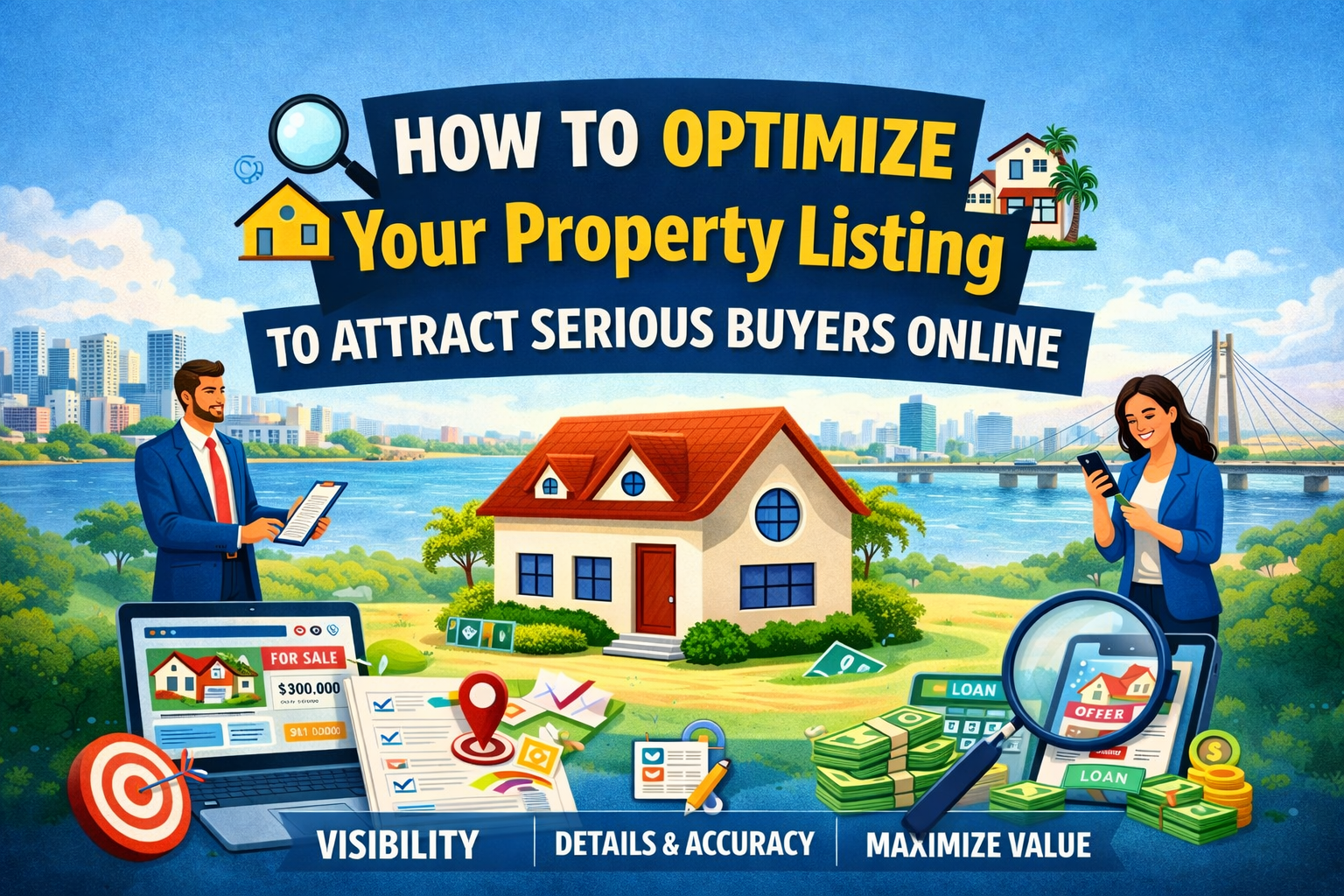
A well-optimized property listing combines persuasive copy, strong visuals, local market insights, and search engine optimization.
When done correctly, your listing becomes a lead generation asset that attracts motivated buyers instead of casual browsers.
Most property listings fail to attract serious buyers online because they are poorly written, visually weak, and not optimized for how buyers actually search for properties.
In competitive markets like Lagos, thousands of property listings compete for attention every day. Buyers scroll quickly, compare aggressively, and ignore anything that looks generic or incomplete. That means real estate developers, agents, and marketers must approach listings strategically.
This guide breaks down the most important elements of property listing optimization and explains how to structure listings that attract serious buyers and generate consistent leads and enquiries.
Why Property Listing Optimization Matters
Before a buyer ever calls an agent or schedules an inspection, they interact with the listing first. That listing forms the buyer’s first impression of the property and the developer behind it.
Poor property listings create problems such as:
- Low click-through rates
- Low buyer trust
- Few enquiries
- Longer selling periods
Well-optimized property listings, on the other hand:
- Attract higher-intent buyers
- Increase enquiry rates
- Improve visibility in search engines
- Help properties sell faster
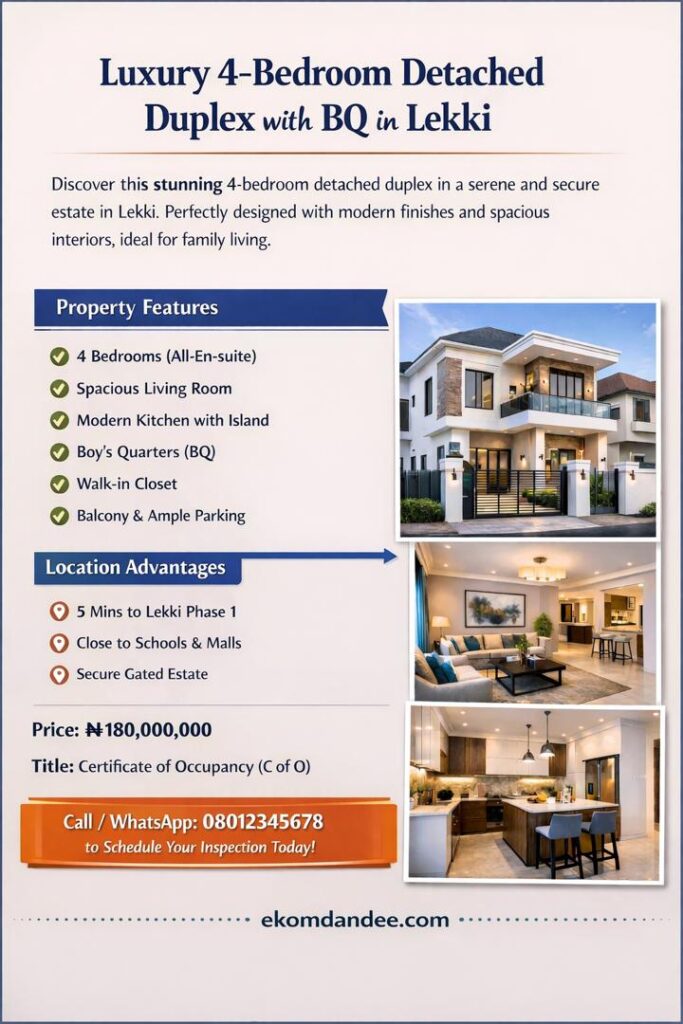
Think of your listing as a digital salesperson. Every element must be designed to persuade, inform, and guide the buyer toward the next step.
Below are the most important elements of property listing optimization:
1. Write Property Titles That Attract Buyers
Your property title is the most important line in the entire listing.
It determines whether a buyer clicks your listing or scrolls past it.
Many real estate listings use weak titles such as:
- “Luxury Apartment Available”
- “Beautiful House for Sale”
These titles are vague and do not align with how buyers search.
What Makes a Strong Property Title?
An effective property title includes three elements:
Property type + location + key feature
Example:
- 4-Bedroom Detached Duplex for Sale in Lekki Phase 1 with Swimming Pool
- Luxury 3-Bedroom Apartment for Sale in Ikoyi with Ocean View
This format works because it matches buyer search behavior.
Serious buyers rarely search generic terms like “beautiful house.” Instead, they search for things like:
- 4-bedroom duplex Lekki
- luxury apartment Ikoyi
- Terrace House Victoria Island
Tips for High-Performing Property Titles
- Always include the exact property type
- Mention the specific location
- Highlight one key feature
- Avoid generic marketing words
- Keep titles clear and readable
A well-optimized property title improves both click-through rate and search visibility.
2. Write Good Property Descriptions
Most property descriptions online are generic and uninspiring.
Many listings list features like this:
- 4 bedrooms
- parking space
- modern kitchen
- security
This approach does not persuade buyers.
A powerful property description should help buyers visualize the lifestyle the property offers.
The Three-Part Structure of High-Converting Property Descriptions
1. Opening Hook
Start with a sentence that highlights the property’s most compelling benefit.
Example:
“Located in the heart of Lekki Phase 1, this modern 4-bedroom duplex combines luxury living with easy access to Lagos’ most vibrant business and entertainment districts.”
This immediately answers the buyer’s main question:
Why should I care about this property?
2. Property Features
Describe the property clearly and in detail.
Example elements to include:
- layout and space
- architectural style
- interior finishes
- amenities
- parking
- security features
Instead of simply listing features, explain how they improve the buyer’s lifestyle.
Example:
Instead of:
“Large living room.”
Write:
“The spacious living room features large windows that allow natural light to flow through the home, creating a bright and welcoming atmosphere.”
3. Lifestyle and Location Benefits
Serious buyers don’t just buy houses.
They buy lifestyle, convenience, and location advantages.
Mention nearby amenities such as:
- business districts
- top schools
- hospitals
- restaurants
- shopping malls
- major road networks
This helps buyers imagine their daily life in the property.
3. Use High-Quality Property Photos
Real estate is one of the most visual industries in the world.
Photos often determine whether buyers engage with your listing or ignore it.
Listings with professional images receive significantly more engagement than those with poor visuals.
What Makes Effective Property Photos?
High-quality photos should:
- be bright and well-lit
- show multiple angles
- highlight key rooms
- capture outdoor spaces
- present the property realistically
Essential Photos Every Listing Should Include
- Exterior view of the property
- Living room
- Kitchen
- Master bedroom
- Bathrooms
- Outdoor areas
- Parking space
- Neighborhood surroundings
Buyers want to understand the property before they visit.
The more clearly your photos communicate the property’s value, the more likely serious buyers will enquire.
4. Use the Right Keywords
Property listings must be optimized for how buyers search online.
Buyers rarely search vague terms like “nice house.” Instead, they search specific phrases.
Examples include:
- houses for sale in Lekki
- 3-bedroom apartment Ikoyi
- terrace duplex Ajah
- luxury apartments Victoria Island
These phrases are keywords, and they determine whether your listing appears in search results.
Where to Use Keywords in Property Listings
To maximize visibility, include keywords in:
- property titles
- property descriptions
- image names
- page headings
- meta descriptions
For example:
Instead of writing:
“Beautiful apartment available.”
Write:
“Modern 3-Bedroom Apartment for Sale in Lekki Phase 1.”
This makes it easier for search engines to understand your listing and match it with buyer searches.
Focus on Buyer Intent Keywords
The most valuable keywords indicate purchase intent.
Examples:
- “Duplex for sale in Ajah”
- “apartment for sale in Chevron”
- “property in Lekki for sale”
Proper usage of keywords in property listings attracts people who are actively looking to buy.
5. Give Property Clear Details
Location is one of the biggest factors influencing property purchases.
Yet many listings provide very little location information.
A strong listing should explain why the location is valuable.
Important Location Details to Include
Provide useful information such as:
- proximity to major roads
- nearby schools
- shopping malls
- hospitals
- business hubs
- public transport options
For example:
Instead of writing:
“Located in Lekki.”
Write:
“Situated in Lekki Phase 1, this property offers easy access to Admiralty Way, top international schools, shopping malls, and major business districts.”
This helps buyers understand the convenience and lifestyle value of the property.
Location Builds Buyer Confidence
Serious buyers evaluate properties based on:
- accessibility
- security
- neighborhood reputation
- nearby infrastructure
Providing detailed location insights helps them make faster decisions.
6. Write Click-Worthy Call-to-Actions
Many property listings forget one critical element:
telling the buyer what to do next.
Without a clear call-to-action, interested buyers may simply move on.
A call-to-action guides the buyer toward the next step in the buying process.
Examples of Strong Property Listing Calls-to-Action
Effective calls-to-action include:
- Schedule a private inspection today
- Contact us to book a viewing
- Request more property details
- Speak with an agent now
These prompts encourage buyers to take immediate action.
Why Calls-to-Action Matter
Even serious buyers sometimes delay contacting agents because they are browsing multiple listings.
A strong call-to-action reduces hesitation and increases enquiries.
7. Optimize Property Listing for Search Engines
Search engine optimization (SEO) helps buyers find your property listings through search engines.
Without SEO, even the best listings may remain invisible online.
Key SEO Elements for Property Listings
1. Optimized Page Titles
Example:
“4 Bedroom Duplex for Sale in Lekki Phase 1 | Luxury Property Listing.”
This improves search visibility.
2. Meta Descriptions
A meta description appears in search results and influences clicks.
Example:
“Explore this modern 4-bedroom duplex for sale in Lekki Phase 1 featuring spacious interiors, secure parking, and premium finishes.”
3. Structured Content
Use headings to organize your listing clearly.
Example sections:
- property overview
- features
- location advantages
- inspection details
Structured content helps both buyers and search engines understand your page.
4. Mobile Optimization
Most property searches today happen on mobile devices.
Your listings must be:
- fast loading
- easy to read
- visually clean
Poor mobile experiences reduce enquiry rates.
Final Thoughts
Optimizing your property listing is no longer optional. It is a critical part of attracting serious buyers online.
A high-performing property listing should include:
- compelling property titles
- persuasive descriptions
- professional photos
- relevant keywords
- detailed location insights
- strong calls-to-action
- search engine optimization
When these elements work together, your listings become powerful marketing tools that attract motivated buyers and generate consistent enquiries.
For real estate businesses and agents, the difference between a listing that gets ignored and one that generates leads often comes down to how well the listing is optimized.
Invest the time to structure your listings strategically, and you will dramatically improve your ability to attract serious buyers online.
If you struggle to attract quality property buyers, chances are that your listing is weak. I help real estate brands optimize their listing for conversion. Let’s discuss how to attract more buyers for your business.